
- Current situation: state of the market in 2026
- Key opportunities and how to capitalise on them
- Key challenges and how to mitigate them
- What's next and how to prepare for it
Ciaran Little | VP, Global Consulting, Information Division, Smithers


Ciaran is responsible for delivering Smithers global growth initiatives and strategic consultancy projects.
Ciaran has been working for Smithers for over 25 years supporting the packaging, print and paper value chains with key market and technical information in the form of conferences, reports and consulting. Ciaran has worked on winning and delivering a wide range of market consultancy projects to major industry players, recent projects include a global assessment of printing and packaging growth trends and market assessment for a major new product launch for one of the world’s largest packaging converters.
Ciaran has launched and managed many international conferences in this sector including Digital Print for Packaging, SustPack, Specialty Papers and Print Futures.


Marco is a career paper industry professional with 30 years’ experience across strategical, tactical, engineering and sales functions as well as a worldwide scope that includes China, SE Asia, US, Canada and several European countries. He held management positions at Valmet running projects that included starting up 10 new paper machines, and as Director of Service he developed a new services business model focused on efficiency improvements and cost savings.
Marco has championed the transformative power of data-driven management and uses his deep solutions-focused understanding of paper making operations to help clients improve performance and address the unique challenges faced by European players.
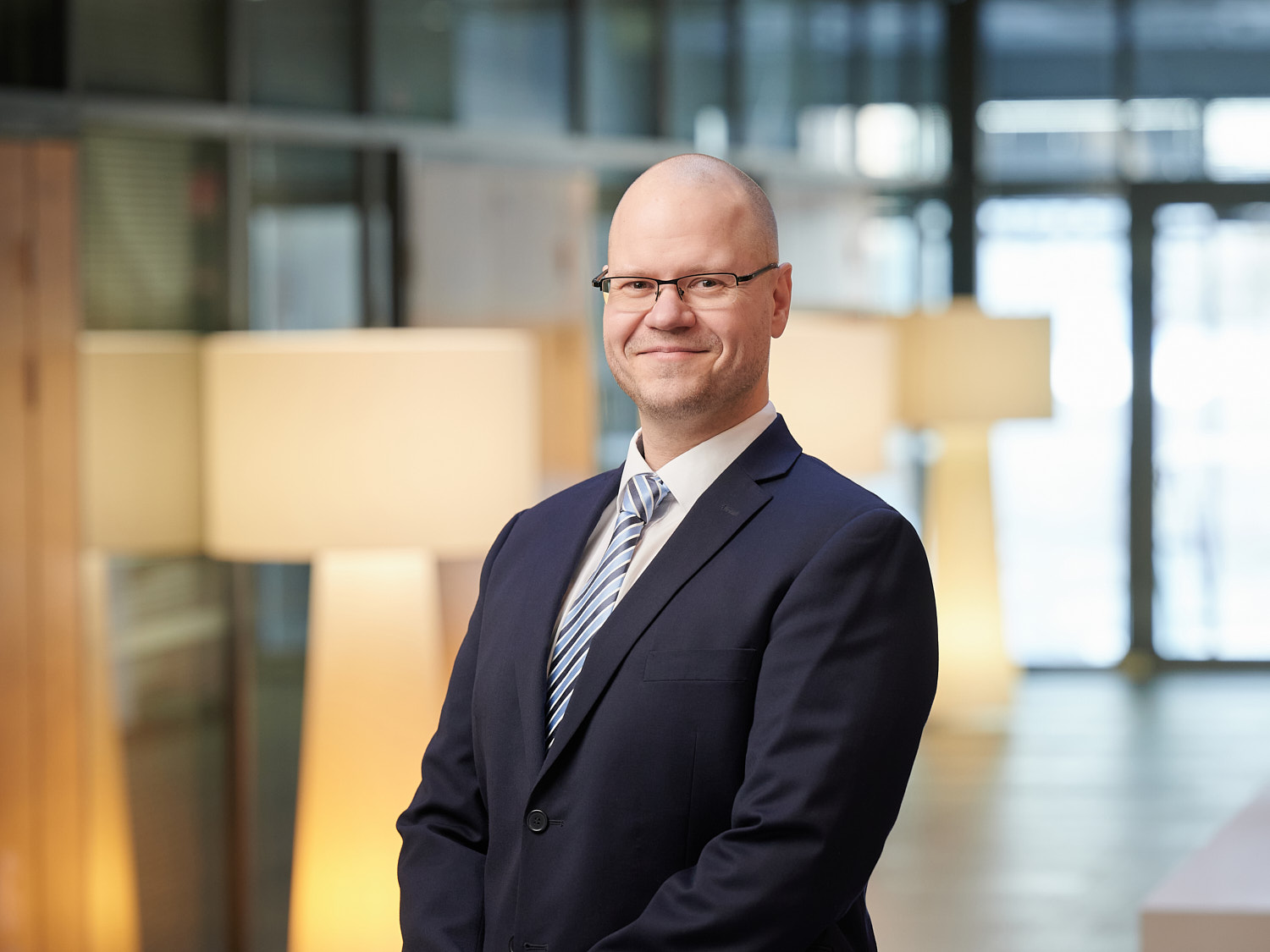

Osmo Salonen is Co-Founder and Senior Consultant at STE Analytics, a Finland-based firm specializing in system dynamics and strategic simulation modeling. With over 15 years of experience, he works with industrial companies and public sector organizations to support capital allocation, market strategy, and long-term decision-making. Osmo’s expertise lies in modeling complex, capital-intensive markets where investment cycles, capacity dynamics, and policy shifts shape competitive outcomes. His work helps executive teams make critical assumptions explicit, stress-test strategy, and improve resilience in volatile environments. He holds a Master of Science in Engineering and is based in Espoo, Finland.


Dario Accorona joined Boston Consulting Group in 2015. He is a member of the Industrial Goods and Climate & Sustainability practices with a focus on paper and packaging companies in both Italy and Europe, as well as on climate and sustainability topics.
Dario specializes in helping industrial and energy clients design and enable growth through restructuring and renewal in pursuit of sustainability and efficiency. He has covered topics including decarbonization and ESG strategy, strategy review, operational restructuring, go-to-market strategy, productivity improvement programs, post-merger operations, cost structure review, and energy management review.
Before joining the firm, Dario was a business analyst at BIP.


Since June 2019, Jori Ringman is Director General of the Confederation of European Paper Industries (Cepi). Previously he was Deputy Director General and responsible for issues relating to sustainability, environment and consumer protection, with particular concern for packaging and food contact. Since joining Cepi in 2005 he has been advancing and exploring circular low carbon bioeconomy in the sector.
Prior to 2005, he was a civil servant at the European Commission and a political advisor in the European Parliament.
Mr. Ringman has a background in Economics, Econometrics and Business Management and broad experience in communications, public administration and politics. He also holds an MSc in Environmental Decision-making.

Dr. Asta Partanen is a Senior Advisor at nova-Institute, reporting directly to the CEO. She holds a PhD in Forestry and Wood Science and is a recognized expert in renewable materials and their value chains, with a particular focus on fibres such as cellulose-based fibres, natural fibres, and bio-based polymer fibres, as well as their respective markets.
Dr. Partanen currently advises several consulting projects focused on renewable materials. Her work includes assessing promising circular use cases, leading customer research, and evaluating certification options. Through her broad market experience, she has built strong networks across innovative industries, enabling her to connect application areas and actively engage innovators.
She has extensive expertise in communicating about innovative materials and key market-related topics, including green premiums, standardisation, and certification of sustainable products.
Over the past five years, she has served as Content Manager of the Cellulose Fibres Conference, identifying leading innovations and supporting multiple Innovation Awards at nova-Institute. In addition, she hosts nova talks, an online discussion format offering in-depth conversations on innovation in fibres and materials.

With a deep Commercial background in the paper, packaging and fibre industries, this executive brings a unique combination of strategic leadership, market insight and hands on transformation experience to the moulded fibre sector. Over a multi decade international career, he has led global sales, marketing and commercial excellence as well as general management functions, shaping customer centric strategies and driving business growth across Europe, Africa, the Americas and Asia Pacific.
His achievements include building and steering high performing commercial organisations, leading complex transformation programmes, and developing global key account structures that strengthened customer partnerships and unlocked new business opportunities. Known for an inclusive and communicative leadership style, he balances innovative thinking with structured execution—consistently enabling organisations to navigate change and accelerate growth.
As the current Director for the Refined Fibre Business & B2B at the WEPA Group, he works at the forefront of fibre based innovation and sustainable material solutions. His perspective spans market development, customer needs evolution and strategic opportunity identification—expertise particularly relevant to an industry rapidly advancing toward circularity and next generation fibre technologies.